





Architectural Appeal
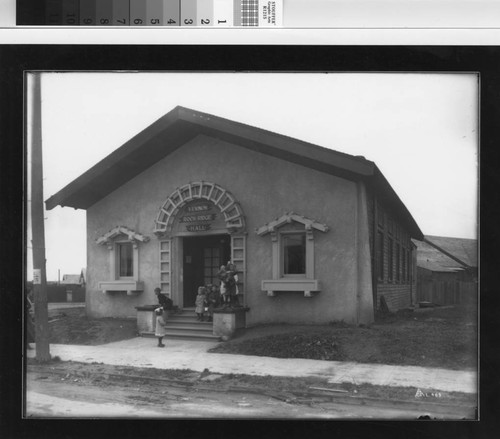
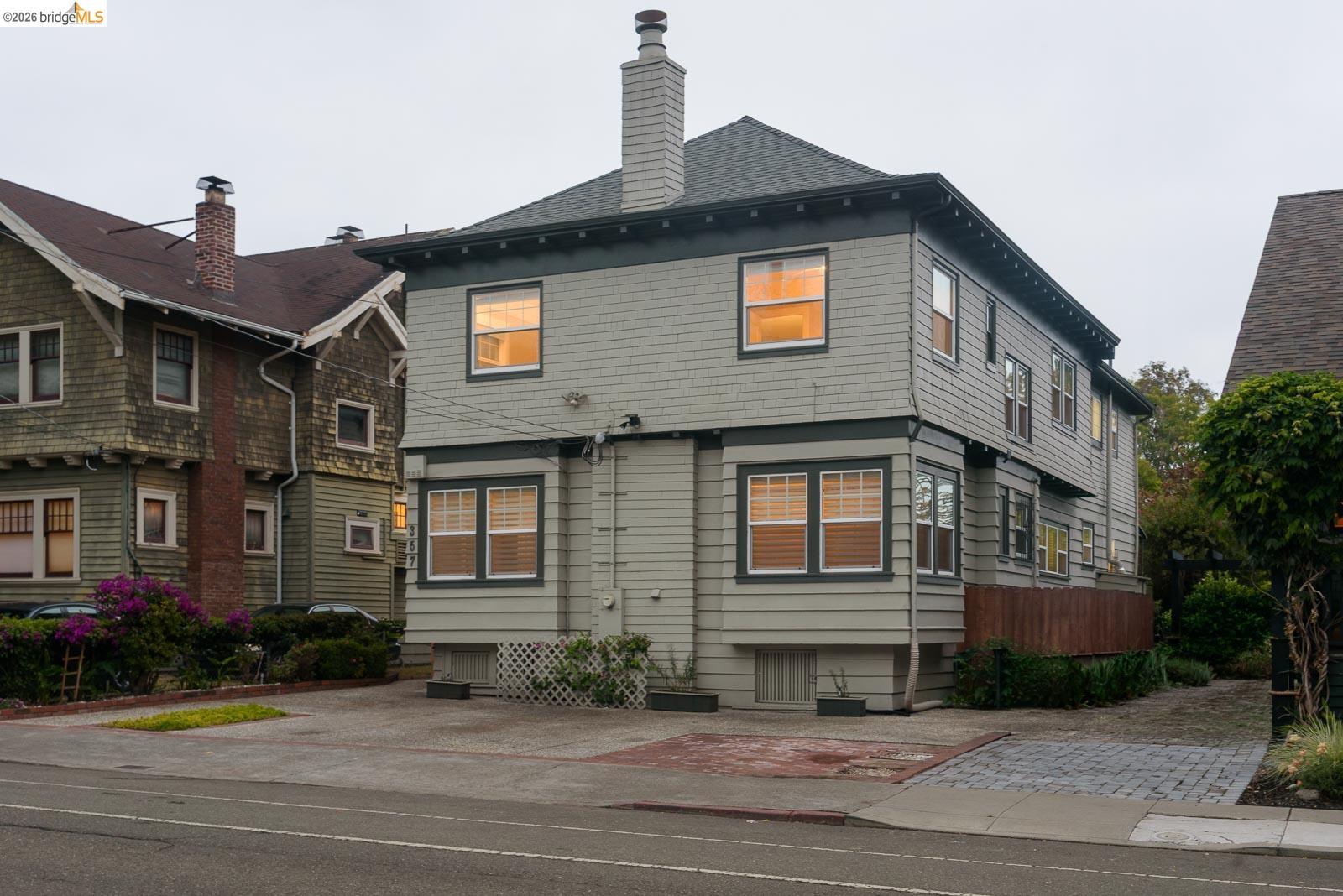
Lower Rockridge is defined by the Arts and Crafts era. Shingled houses with deep porches and tapered columns, bungalows with original built-ins and leaded glass, and a scattering of Tudor and Colonial Revival homes on the larger lots toward Claremont Avenue give its streets a consistent, handmade feel. Many of these homes have been carefully renovated, and the best of them pair a modern kitchen with woodwork that has survived a century.
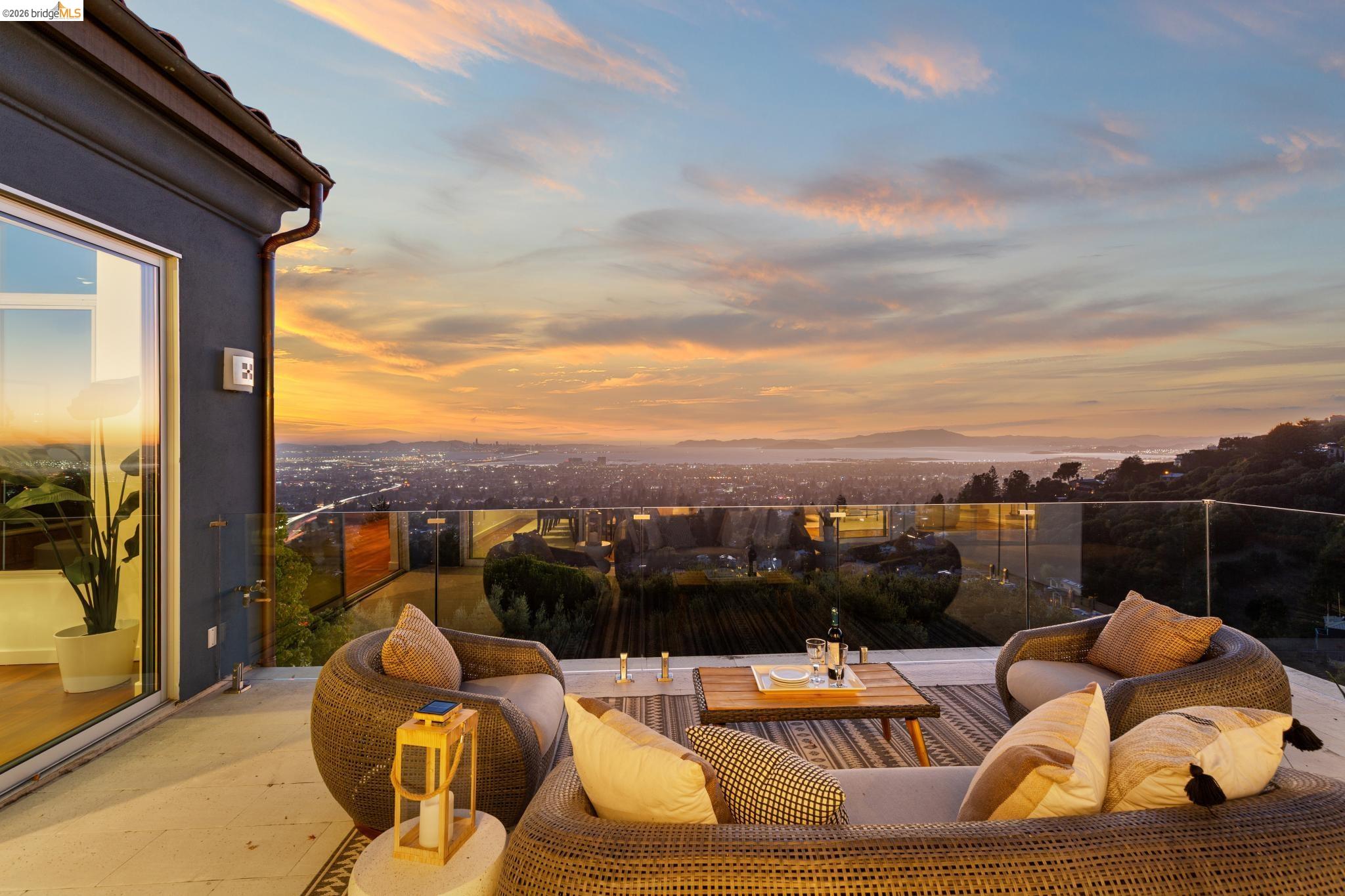
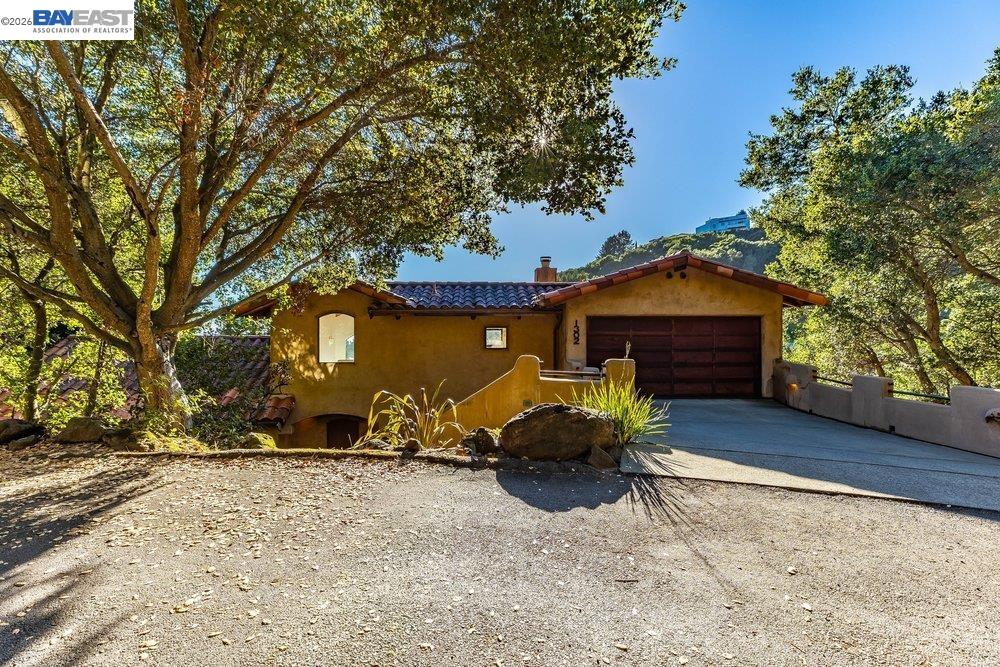
Upper Rockridge reads differently. Most of its homes were built after 1991, many in traditional Bay Area forms such as slate-roofed Tudors, Mediterranean villas and updated Craftsmans, alongside contemporary designs of glass and steel. Above the burn line, pre-1991 cottages and mid-century houses remain, so a single block can span seventy years of architecture. Lots are larger, floor plans are more generous, and many rooms are oriented toward the bay and bridges.
Pricing & Market Trends
Rockridge ranks among the most competitive housing markets in Oakland. According to Redfin, over the three months ending September 2026 the median sale price in Rockridge was about $1.95 million, with a median sale-to-list ratio near 126 percent and nearly every home selling above its list price. Redfin rated the neighborhood 97 out of 100 on its Compete Score, with the typical home going pending in about two weeks.
Upper Rockridge has been just as active. Over the same period its median sale price was about $1.78 million, 16 homes sold in September, and roughly 87 percent sold above list, up nearly 17 points from a year earlier. In early October 2026, Redfin recorded Upper Rockridge sales that closed 44 to 57 percent above their list prices, and a Lower Rockridge home on Rockwell Street that closed 58 percent over.
Space, Style & Livability
Homes in Lower Rockridge tend to sit on compact city lots, which makes the garden, the porch and any finished lower level count for a great deal. Living rooms often center on a fireplace and built-in bookcases, dining rooms keep their original cabinetry, and many owners have added rear decks or garden studios to stretch the usable space. In Upper Rockridge, the trade runs the other way: bigger houses and bigger lots, with decks, terraces and walls of windows designed around the view, in exchange for a short drive or a stairway walk down to College Avenue.
Who Lives Here
Rockridge draws buyers who want their daily life within walking distance: people who would rather stroll to dinner than drive to it, who commute by BART, and who value an old house with its character intact. Upper Rockridge appeals to those who want more space and a view while staying a few minutes from College Avenue and Highway 24. In both, neighbors tend to stay a long time and take an active part in civic groups, school communities and neighborhood cleanups.